Carpet Fibre Types | Wool, Nylon, Polyester, Olefin | SpeedyDry
Textile Intelligence — Victoria BC
KNOW YOUR
FIBRE.
NOT ALL CARPET
IS THE SAME.
Carpet is made from different materials, and each fibre type has unique properties that affect how it looks, how it wears, and how it should be cleaned.
Wool
Wool is a natural fibre with excellent resilience and a luxurious feel. It is also sensitive to pH and moisture. Wool requires WoolSafe Approved cleaning products and low-moisture carpet cleaning to avoid shrinkage, distortion, or damage to the fibre scales. over-wet carpet cleaning can lead to browning and extended drying times.
Nylon
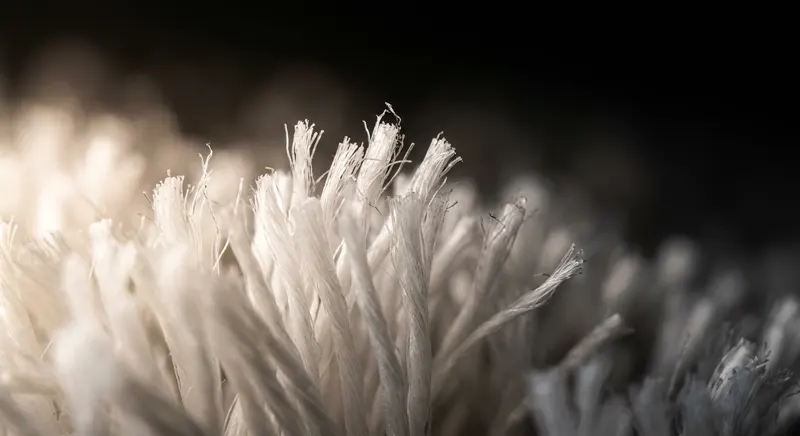
Nylon is the most common residential carpet fibre. It is durable, resilient, and handles traffic well. Nylon responds well to low-moisture cleaning with appropriate chemistry. It can hold a static charge in dry conditions and may be prone to fading if exposed to certain chemicals or prolonged sunlight.
Polyester
Polyester is soft and highly stain-resistant, making it popular for residential installations. However, it is less resilient than nylon and can hold oily soil that requires carpet cleaning residue to address. Polyester can also be prone to matting in high-traffic areas.
Olefin (Polypropylene)
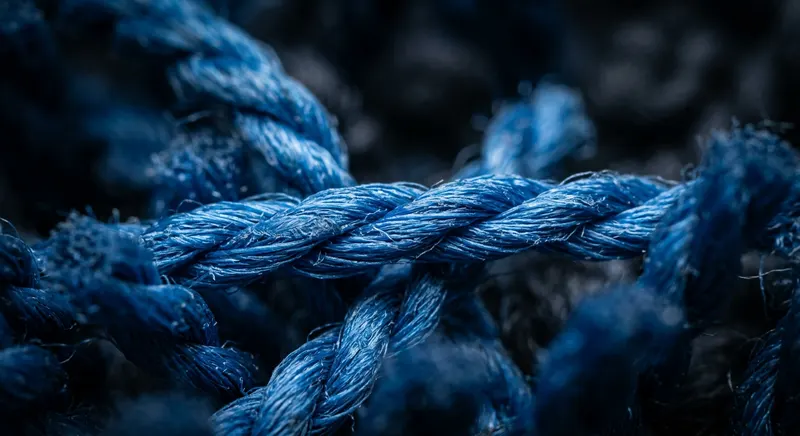
Olefin is solution-dyed, making it highly resistant to fading and stains. It is common in commercial settings, basements, and outdoor applications. However, olefin attracts oily soil and is prone to matting in traffic areas. It has a low melting point, which means aggressive heat can damage the fibre.
DIFFERENT FIBRES
BEHAVE DIFFERENTLY.
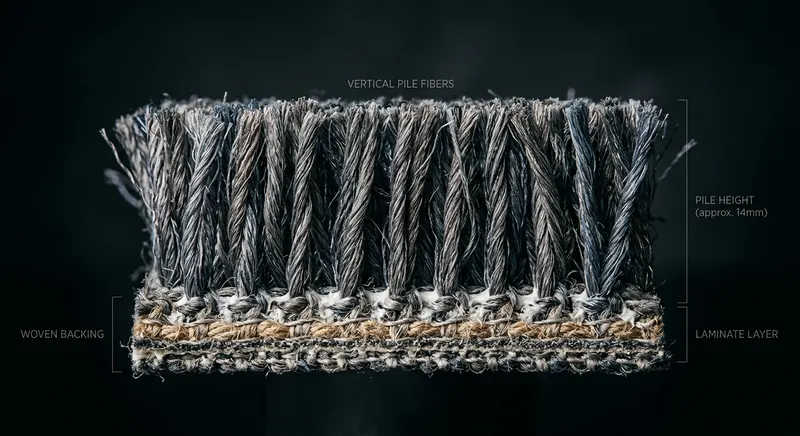
So why clean them all the same way? SpeedyDry assesses fibre type before selecting the cleaning approach — because the right method for nylon may not be right for wool.
The SpeedyDry Approach
Fibre-first cleaning.
Identify Fibre
Determine whether carpet is wool, nylon, polyester, or olefin
Assess Condition
Evaluate soil load, traffic patterns, and existing residue
Select Chemistry
Choose products appropriate for the specific fibre type
Controlled Moisture
Apply only the moisture the fibre can tolerate
Fibre-Safe Recovery
Extract soil without damaging fibre structure
Continue Exploring
Related topics
Ready for fibre-first cleaning?
Different fibres. Different care. Zero residue.